
Asbestos is one of those hidden dangers that many property owners don’t think about until it becomes a problem. However, older buildings—especially those built before the 1980s—can contain asbestos in materials you might never suspect. When disturbed, asbestos fibers can pose serious health risks to employees, tenants, and customers.
Understanding where asbestos may be hiding is the first step in keeping your building safe. Asbestos Abatement Services in Salt Lake City, UT helps property owners identify and eliminate these risks before they become costly hazards.
Insulation Asbestos Removal Often Reveals Hidden Problem Areas
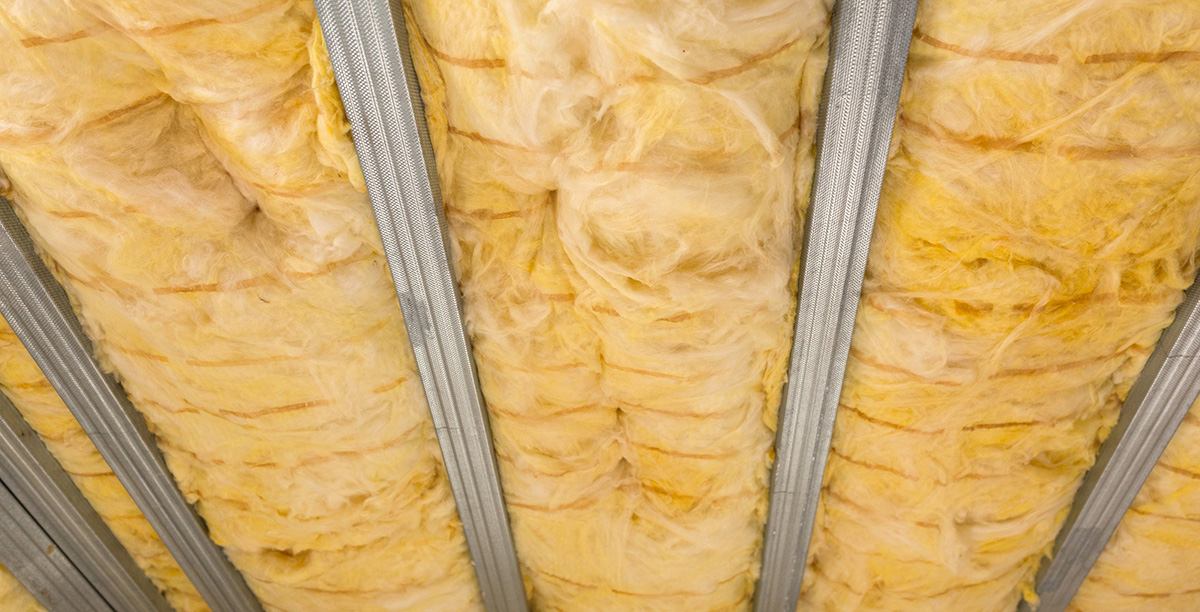
In many commercial and residential structures, insulation is one of the most common places where asbestos hides. Insulation asbestos removal is often the first step in uncovering broader contamination.
Why Insulation Is High-Risk
- Older pipe insulation, boiler coverings, and duct materials frequently contain asbestos.
- Loose-fill insulation, such as vermiculite, may be contaminated.
- Disturbed insulation releases fibers that easily circulate through the air. By identifying these risks early, property owners can prevent exposure and ensure safer heating and cooling systems.
Roof & Attic Asbestos Abatement Protects Your Entire Building
Roofing and attic materials often contain asbestos, especially in older structures. Roof and attic asbestos abatement helps prevent fibers from traveling through ventilation systems or entering occupied spaces.
Common Roofing Materials That May Contain Asbestos
- Shingles and roofing felt used in mid-century construction
- Attic insulation and old ventilation ducts
- Sealants, adhesives, and mastics, these areas are often overlooked because they’re out of sight, but they can become dangerous during renovations or repairs.
Ceiling & Tile Asbestos Testing Prevents Everyday Exposure
Ceilings and flooring materials are frequently overlooked but pose significant risk if they contain asbestos. Ceiling and tile asbestos testing helps determine whether materials need to be removed or safely maintained.
Why These Materials Matter
- Acoustic ceiling tiles used in schools and offices may contain asbestos.
- Vinyl floor tiles and the adhesives beneath them can release fibers if cracked or worn.
- Popcorn ceilings applied before 1980 are commonly hazardous. Testing these materials ensures safe remodeling and prevents unexpected exposure in high-traffic areas.
Asbestos in Residential & Commercial Buildings Can Hide in Multiple Locations
Both residential and commercial buildings can contain asbestos in places people rarely check. These hidden sources often go unnoticed for years.
Additional Areas to Inspect
- Wallboard and joint compound
- Old plumbing fixtures and cement pipes
- Exterior siding and stucco, understanding these locations helps property owners plan thorough inspections that reduce long-term risks.
Protect Your Property with Professional Guidance
Asbestos can hide in multiple areas of a structure, making testing and removal essential for safety and compliance. By identifying insulation, roofing, ceiling materials, and other hidden sources, property owners can protect occupants and avoid costly issues. If you’re ready to secure a safer environment, reach out to Asbestos Abatement Services for expert testing and removal solutions tailored to your building’s needs.